The Yard (1957)
she had only to open the gate
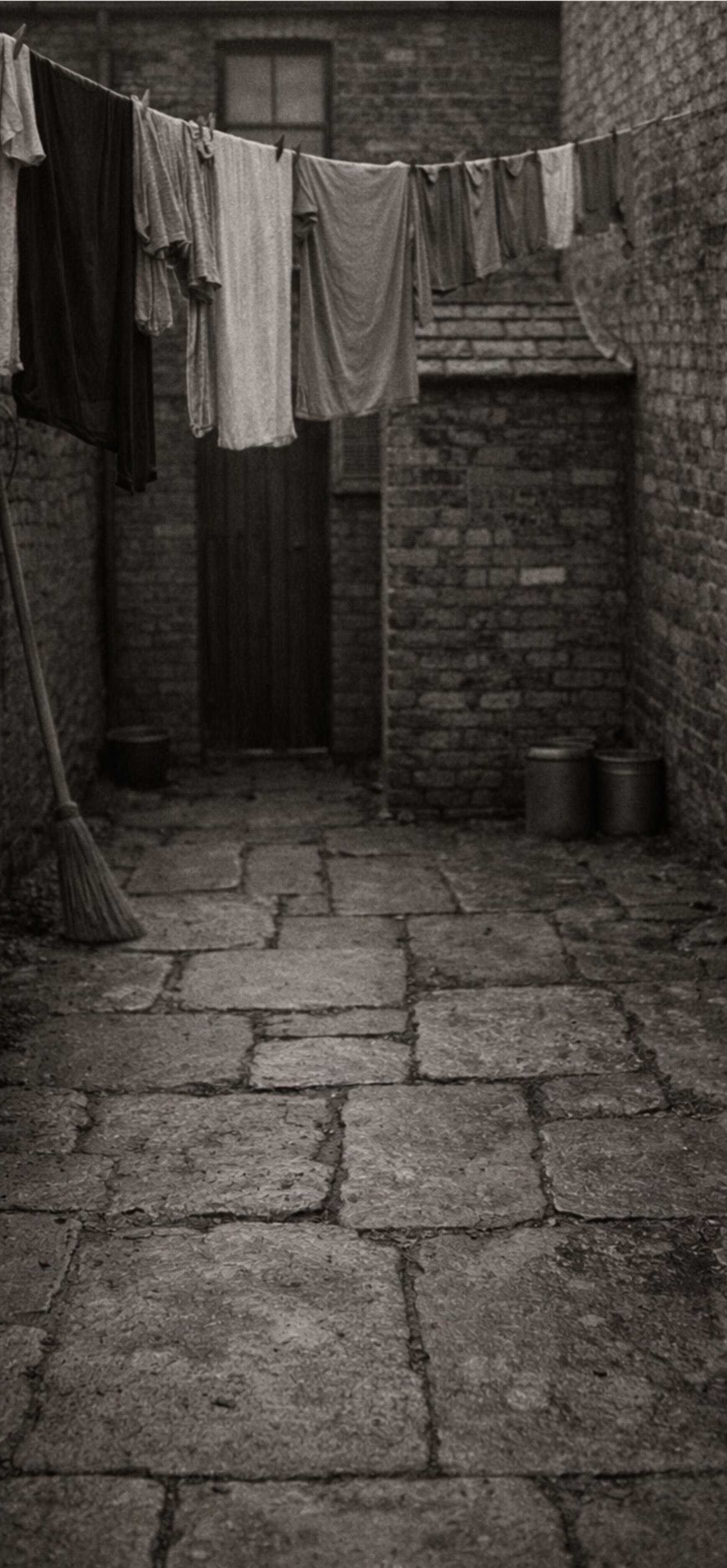
Released in 1957, The Yard was one of Crimea Street Films’ most unusual early productions. Set entirely within the enclosed back yard of a terraced house, it featured only one visible character. Every other performance was heard from behind a door, through a window, over the wall or from the alley beyond the yard gate.The film follows Alice Hargreaves, a middle-aged housewife who steps outside to hang out the washing and finds the back door locked behind her. Her husband, Frank, remains inside and refuses to let her return after discovering that she intends to leave him. As the morning passes, conversations with neighbours, tradesmen and members of her family gradually expose the private unhappiness of a marriage which had appeared entirely ordinary.Although its premise suggested imprisonment, Alice could leave at any time through the unlocked yard gate. The film’s tension came instead from whether she was prepared to walk through it with nothing but the clothes she was wearing. In the final scene, Frank opens the back door, but Alice takes her coat from the washing line and leaves through the gate. The camera remains in the empty yard as the door to the house stands open.
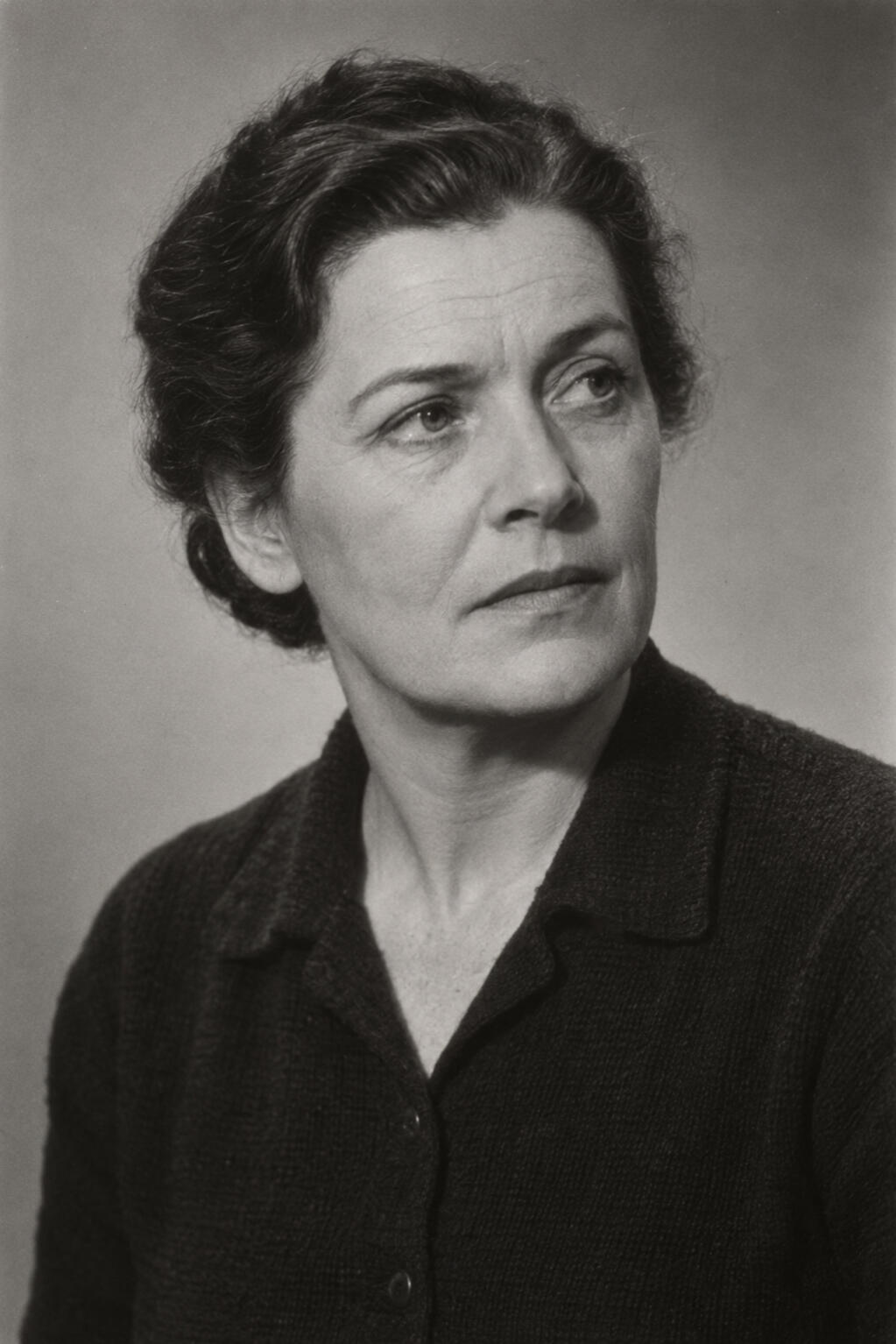
Eileen Sutcliffe (1908–1983)Eileen Sutcliffe was born in Rochdale in 1908, the daughter of a railway porter and a dressmaker. She left school at fourteen and worked first in a cotton warehouse before joining a local amateur dramatic society, where she quickly developed a reputation for playing women considerably older than herself.After several years with touring companies, Sutcliffe found regular work in repertory theatres across Lancashire and Yorkshire. She rarely played conventional leading roles, but became valued for her ability to suggest complicated private lives beneath apparently ordinary characters. Work in radio drama followed, where her controlled delivery and ability to respond convincingly to voices recorded separately proved particularly useful.By the mid-1950s, Sutcliffe had made occasional television appearances but remained largely unknown outside northern theatre. Alistair Dunmore saw her in a production in Oldham during 1956 and approached her about playing Alice Hargreaves in The Yard. Sutcliffe was initially doubtful that a film confined to one location and showing only one performer could sustain an audience, but agreed after reading the completed screenplay.The production placed unusual demands upon her. Although the other members of the cast were present during rehearsals, Sutcliffe performed many scenes alone while their dialogue was delivered from behind the scenery. Director Philip Grainger avoided close-ups wherever possible, requiring her to hold long passages through movement, silence and her reactions to voices the audience never saw.Her performance was widely regarded as the film’s principal achievement. Critics noted how gradually Alice’s apparent helplessness gave way to something more deliberate, until it became clear that remaining in the yard was itself a choice. Sutcliffe later said that she had played the character not as a trapped woman, but as somebody waiting to discover whether she was finally prepared to leave.Despite the attention generated by The Yard, Sutcliffe did not become a film star. She preferred the regularity of repertory theatre and accepted screen work only occasionally. Her subsequent appearances were generally supporting roles as mothers, landladies and neighbours, parts which made use of her authority but rarely offered the complexity of Alice Hargreaves.She continued acting into the early 1970s before retiring to Morecambe with her husband, Arthur, a theatre electrician whom she had met while touring. Former colleagues remembered her as practical, direct and largely unimpressed by the attention surrounding her performance in The Yard.Sutcliffe died in 1983 at the age of seventy-five. Although her screen career was limited, her performance as the only visible character in The Yard remains one of the most demanding and distinctive in the Crimea Street Films archive.
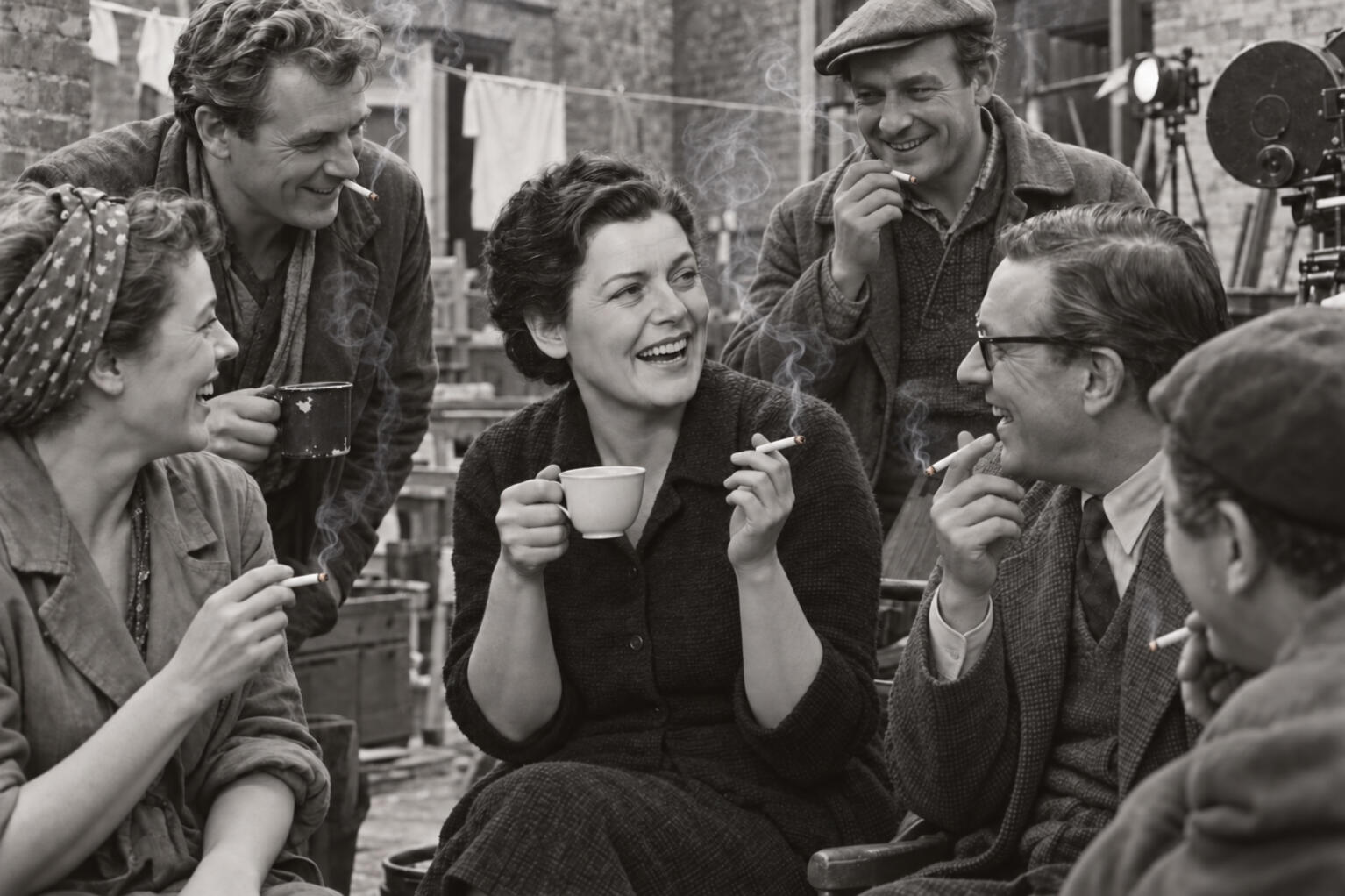
The Yard (Northern Deco)The enclosed setting of The Yard became the subject of Olive James’ distinctive reimagining, reducing its high brick walls, flagstones and hanging washing to a series of angular forms in deep greys and muted blue.James later remarked that the washing line interested her because it divided the small space still further, creating another boundary within a yard already surrounded by walls.The result is a work that captures the yard not simply as the film’s setting, but as a place suspended between the house Alice can no longer enter and the gate she has yet to leave through.Available exclusively through FCSF, this artistic interpretation is available unframed on 240 gsm art paper and measures 16 x 20 inches.
What did the critics think?
Upon release, The Yard divided critics sharply.The News Chronicle admired the production’s refusal to leave its single location:“A remarkably controlled picture in which four walls, an unlocked gate and one woman provide more tension than most films achieve with an entire cast.”Films and Filming praised Eileen Sutcliffe while remaining doubtful about the experiment itself:“Miss Sutcliffe is never less than compelling. Whether an audience should be expected to spend eighty-seven minutes in a back yard simply because she can is another question.”The Daily Express was openly dismissive:“An actress stands beside some washing while several people we cannot see shout at her. It may be original, but so is forgetting to take the lens cap off.”Commercially, the film performed poorly. Several cinemas declined to extend its run after audiences complained about the absence of visible supporting characters and the confined setting. Although later reassessed as one of Crimea Street Films’ boldest early productions, in 1957 The Yard was widely regarded as an interesting failure.
From the archive
Among the surviving production papers for The Yard is a handwritten note from the location manager:“Mrs Wilcox at number fourteen has asked that we stop shouting over the wall after six. Her neighbours think the row is genuine.”
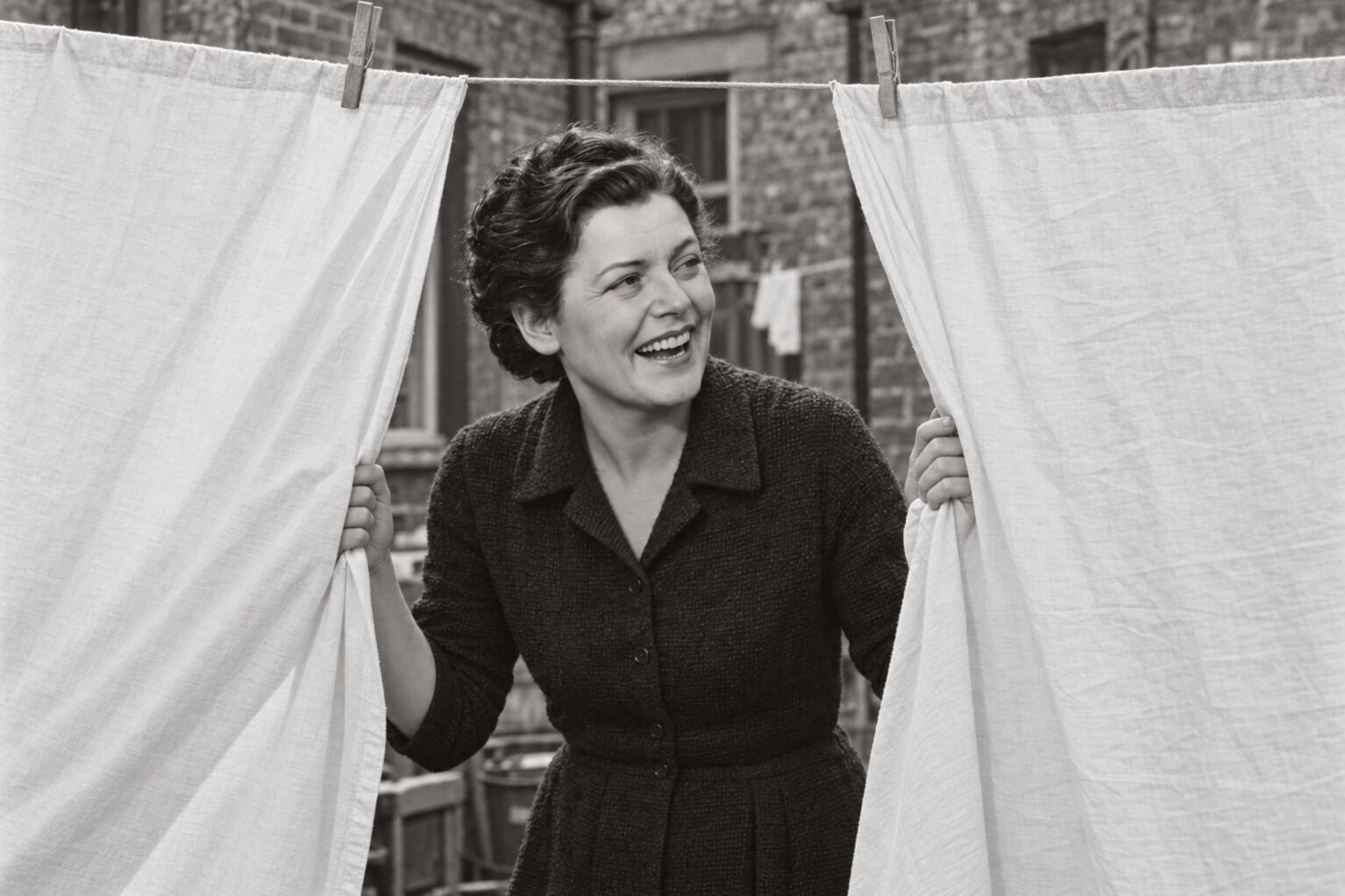
Publicity shot from the archive
The artwork of Reg Baines
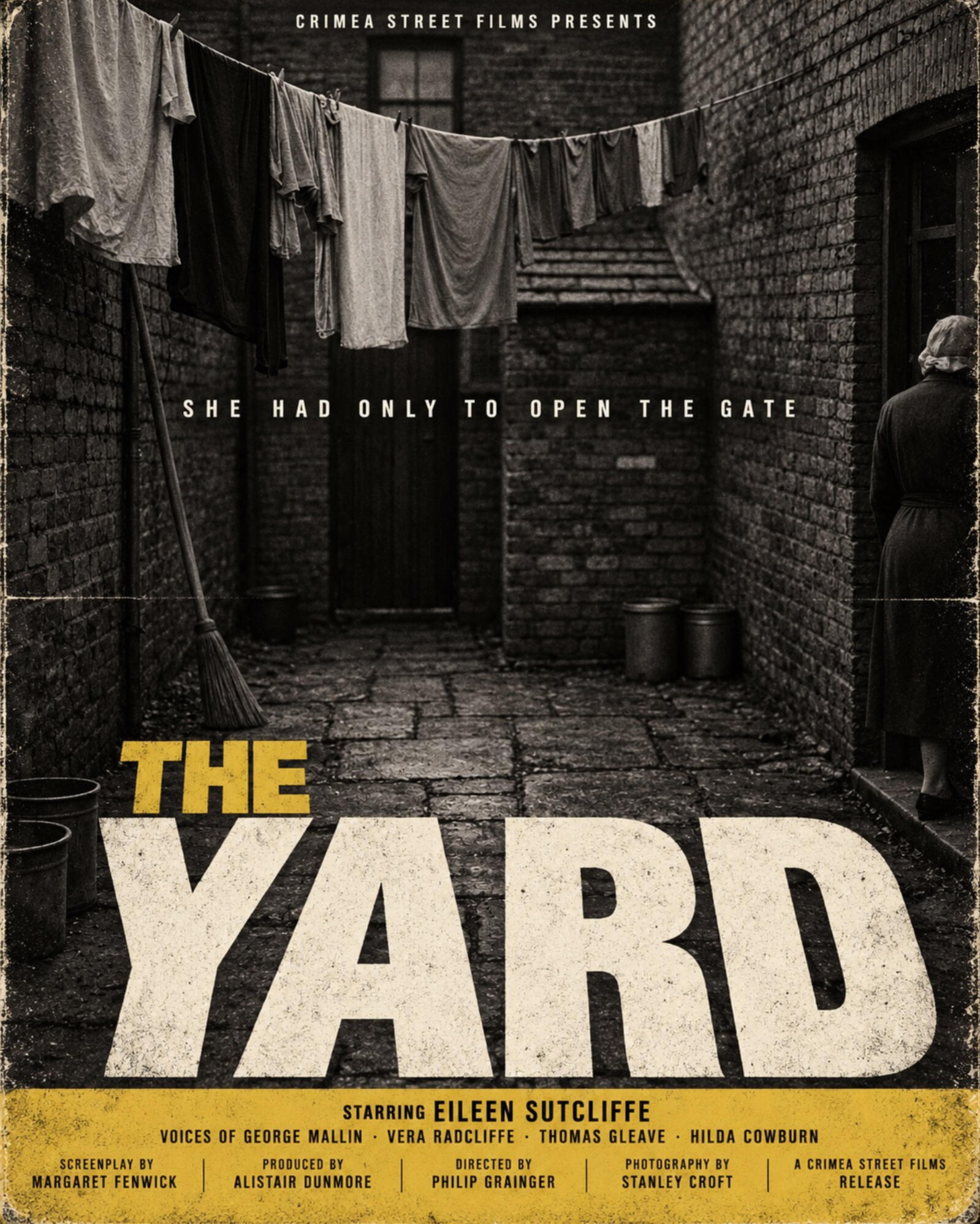
The original posters created by Reg Baines are synonymous with the studio and are very much part of its history.They would have been seen throughout the North of England outside cinemas, on hoardings and in places such as train stations.Most of them were damaged in a fire at the studio in late 1966, but we are delighted to now work with Parbold based artist, Brian Astley.He has faithfully reproduced each poster to a standard that our Reg would have been proud of and each one is available unframed on 240 gsm art paper as a 16 x 20 inch homage to the films we celebrate.
Further Exploration
Discover the other films we focus on this month and come back soon for a new collection.